Why I voted for Romney in 2012

November 7, 2012

I have really struggled over whom to vote for this election.  Therefore, this weekend I decided to do an informal trade study. I first listed the issues most important to me.  The only criteria on the issues was there had to be 7 or less.  My theory was any issue below the 7 could not be important enough to influence my decision.  Then for each issue I listed the candidate most likely to work for a favorable (in my opinion) resolution to the issue:

  1. Environment – Obama
  2. Climate change – Obama
  3. Energy crisis – Obama
  4. Health care – Romney
  5. Economy – Romney
  6. Foreign affairs – too close to call
  7. Change is good (throw the bums out) Romney
  8. Immigration (had to add number 8 because of the tie) – Romney

Romney  wins the trade study and I live in Texas.  Therefore, I cast my vote for Romney. Why Texas you ask?  Because Texas is an uber-red state so my vote did not count anyway.  Therefore, if Obama wins I help push Romney’s popular vote higher and maybe, just maybe he wins the popular vote and loses the election.  Now that would send a real message to the bums in D.C. that we are really fed up!


Cloudy Skies

October 17, 2012

Cloudy Skies

Cloudy skies on the way from Vancouver to Ketchikan


North to Alaska

September 30, 2012

For our 40th wedding anniversary we traveled to Alaska on our first cruise.  We embarked from Vancouver on the Coral Princess sailing the inner passage.  The first port was Ketchikan which we found on a rare Sunny day.  Juneau was our next stop, the capital of Alaska by a quirk of fate.  While there we viewed the Mendenhall Glacier and cruised the Juneau area watching humpback whales, seals, and sea otters.

Next we stopped for the day at Skagway.  While there we rode a bus into the Yukon while viewing lots of wildlife – bears and bald eagles mostly.  Then we rode the Whitehorse and Yukon Road railway back to Skagway.

We disembarked the Coral Princess at Whittier Alaska and cruised into the interior on the Alaska Railway to Denali National Park.  While at the park experienced some great views of the Mountain (Mt. McKinley) and cooled off.  The low temperature one morning was 23 degrees while Texas was sweltering in 104 degree heat.

From Denali National Park we took a bus to McKinley Lodge which is 40 miles from the Mountain for a couple of days of viewing the Mountain, hiking, and relaxing.

Finally, we finished up the trip with 2 days in Anchorage and the surrounding area.

Included a couple of photos below and a link to more

More photos Link

Mt. McKinley from 40 miles (McKinley Lodge)

Glacier Bay NP Entrance

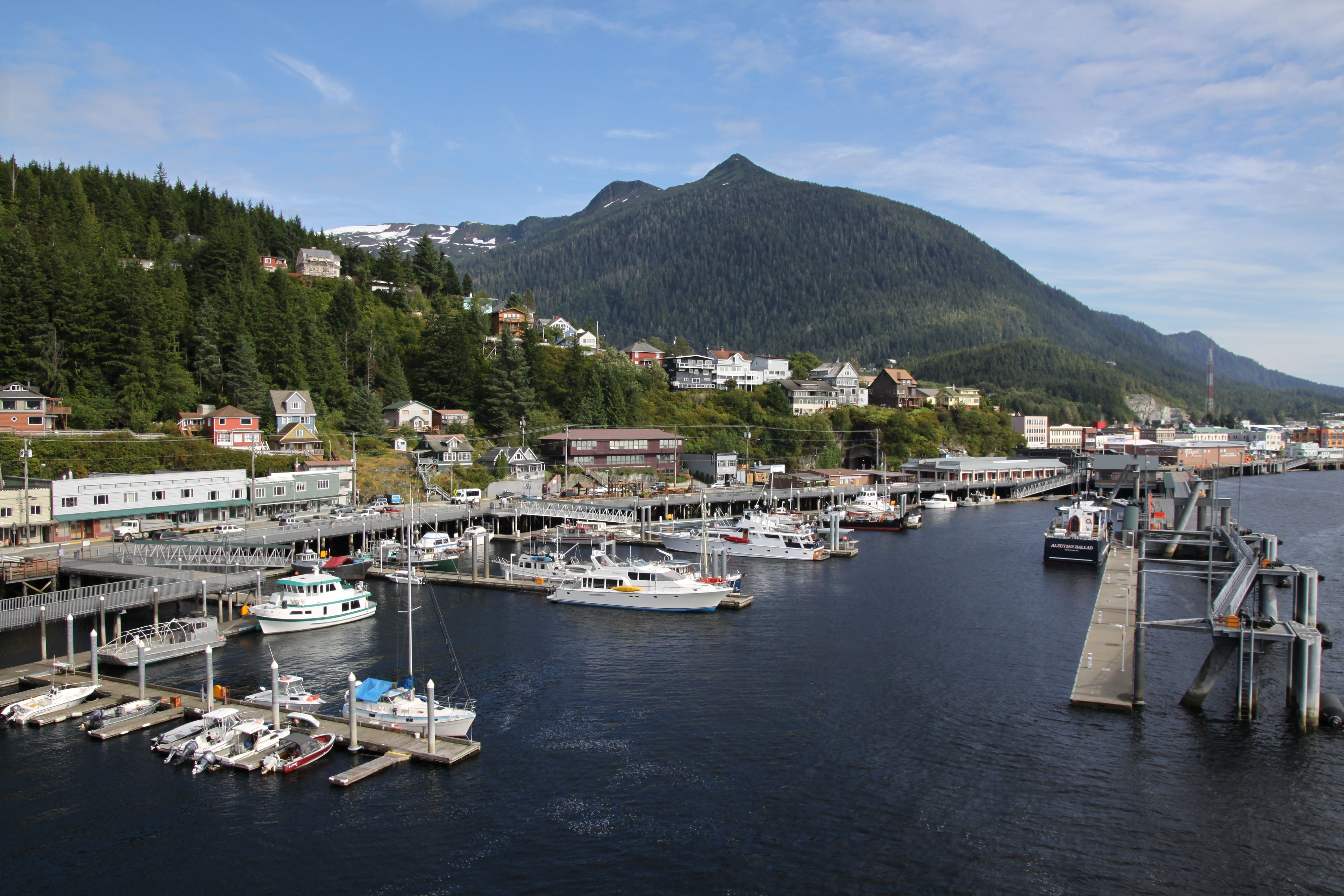
Ketchikan on a sunny day – very unusual

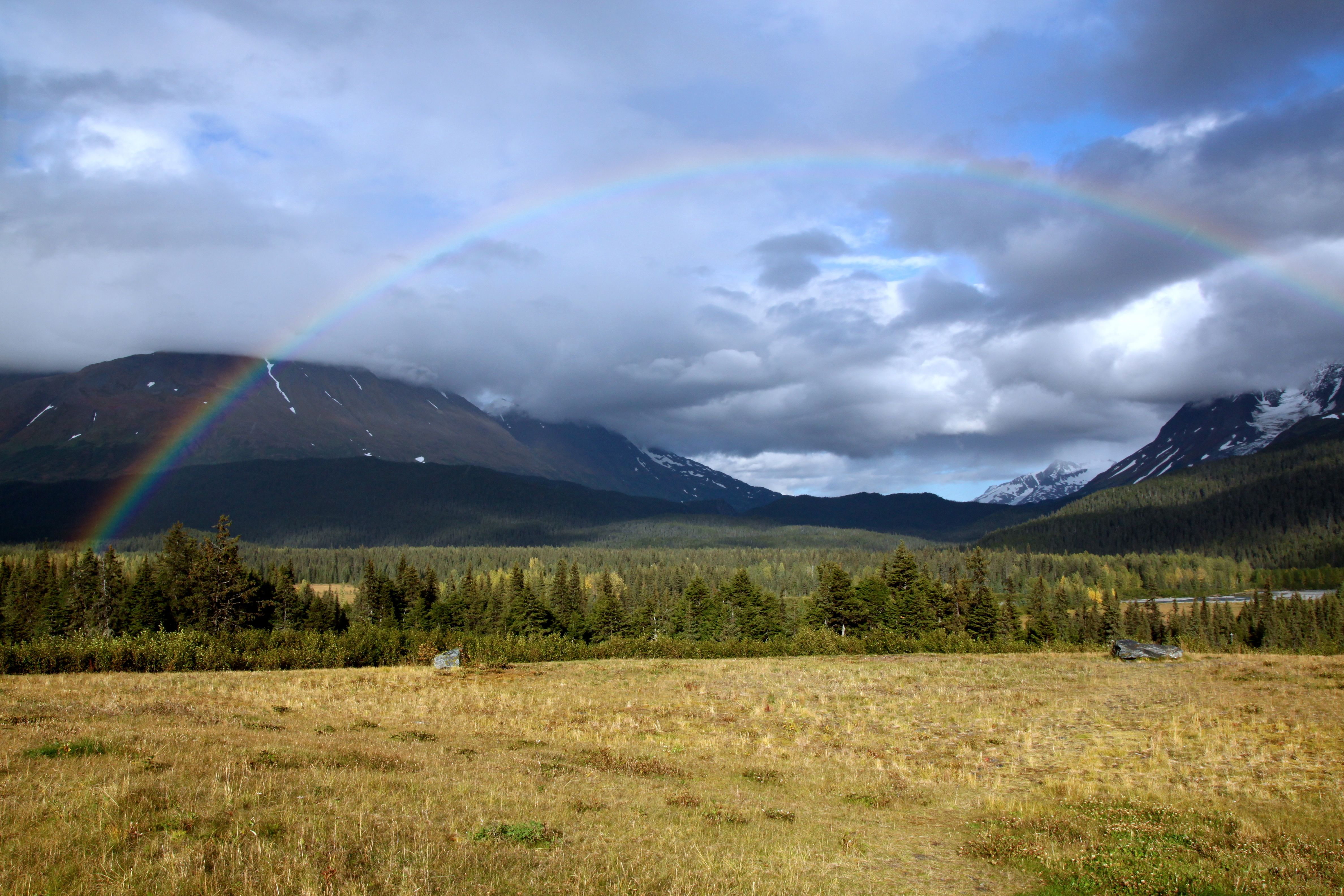
We found the end of the rainbow and it’s in Alaska


Anna Karenina by Leo Tolstoy

August 24, 2012

I am not sure when the thought lodged itself in my head but for many a fortnight I considering reading War and Peace on my iPhone.  I finally started a few months ago but I quickly lost passion for the project.  Why?  To put it bluntly, War and Peace is boring.  I struggled on for a few weeks but finally gave up somewhere in Austria with Napoleon’s Army hounding the Russian horde.

Somewhat later I read a Scientific American article concerning how reading sharpens the mind.  Also, that reading fiction helps understand people because fiction is about people (duh).  The article mentioned 10 fiction books the worth reading:

  1. The Sorrows of Young Werther (1787) by Johann von Goethe
  2. Pride And Prejudice (1813) by Jane Austen
  3. The Scarlet Letter (1850) by Nathaniel Hawthorne
  4. Madame Bovary (1856) by Gustave Flaubert
  5. Middlemarch (1870) by George Eliot
  6. Anna Karenina (1877) by Leo Tolstoy
  7. Mrs Dalloway (1925) Virginia Woolf
  8. Beloved (1987) by Toni Morrison
  9. Disgrace (1999) by J.M. Coetzee
  10. The Reluctant Fundamentalist (2007) by Mohsin Hamid

I’ve only read one of the books – The Scarlet Letter – and that was a long time ago in another place and time (Alexis High School).  So, I decided to try and experiment, read the 10 books, and ascertain if they sharpened my mind (I wonder how you measure that). The obvious choice was to read Anna Karenina first since I had just given up on another Leo Tolstoy novel.  To my pleasant surprise Anna was quite interesting even though there was no action to speak of (I am a science fiction lover which is normally rife with action).

I have always loved Fyodor Dostoevsky, the greatest of all Russian novelists, whose books consists of dozens of characters with many plots inverleaving amongst themselves.  In contrast Anna has two main characters – Anna and Levin.  There are several other significant supporting characters with significant roles – Count Vronsky, Anna’s lover –  Alexei, Anna’s husband –  Kitty, Levin’s wife – Dolly, Kitty’s sister – Stephan, Dolly’s husband

The novel begins with one of the most often quoted beginning lines of all times: “Happy families are all alike; every unhappy family is unhappy in its own way.”  This line summarized the entire novel.  However go ahead and read the novel because it is quite spell binding.

The story is woven around two main themes: 1) Anna’s husband to lover transition and then her life with the lover (Count Vronsky) proving that sometimes love does not conquer all and 2) Levin’s life and times from his courtship of Kitty to marriage with lots of time in between working on his estate and attempting to figure out the true meaning of life.

There was no action in the book at all.  Well there was a horse race or two and a suicide  but no action narrative, only the voices in the minds of the participants.  Even though the book was quite long, 1170 pages according to my iPhone, it was a quick read and never boring.  The author kept the story interesting with the conversation between the players and the meanderings within their minds.

Oh, to the iPhone part, I read about 1/2 of the book on the iPhone and the other 1/2 on the Kindle proving at least to myself the iPhone can be a good but not great reading device.

n summary, Anna Karenina is a good read that is amazingly never boring.  I recommend it to anyone.  Now I wonder if my mind is sharper.

Wikipedia has a more in depth and less subjective review of Anna Karenina at http://en.wikipedia.org/wiki/Anna_Karenina


June Flowers to remember better weather

July 29, 2012

I took a few photos of June flowers around my yard and intended on posting them at the time.  As is often the case I just never got around to it.  Well, better late than never are 5 June flower photos from around my yard in Fairview Texas.

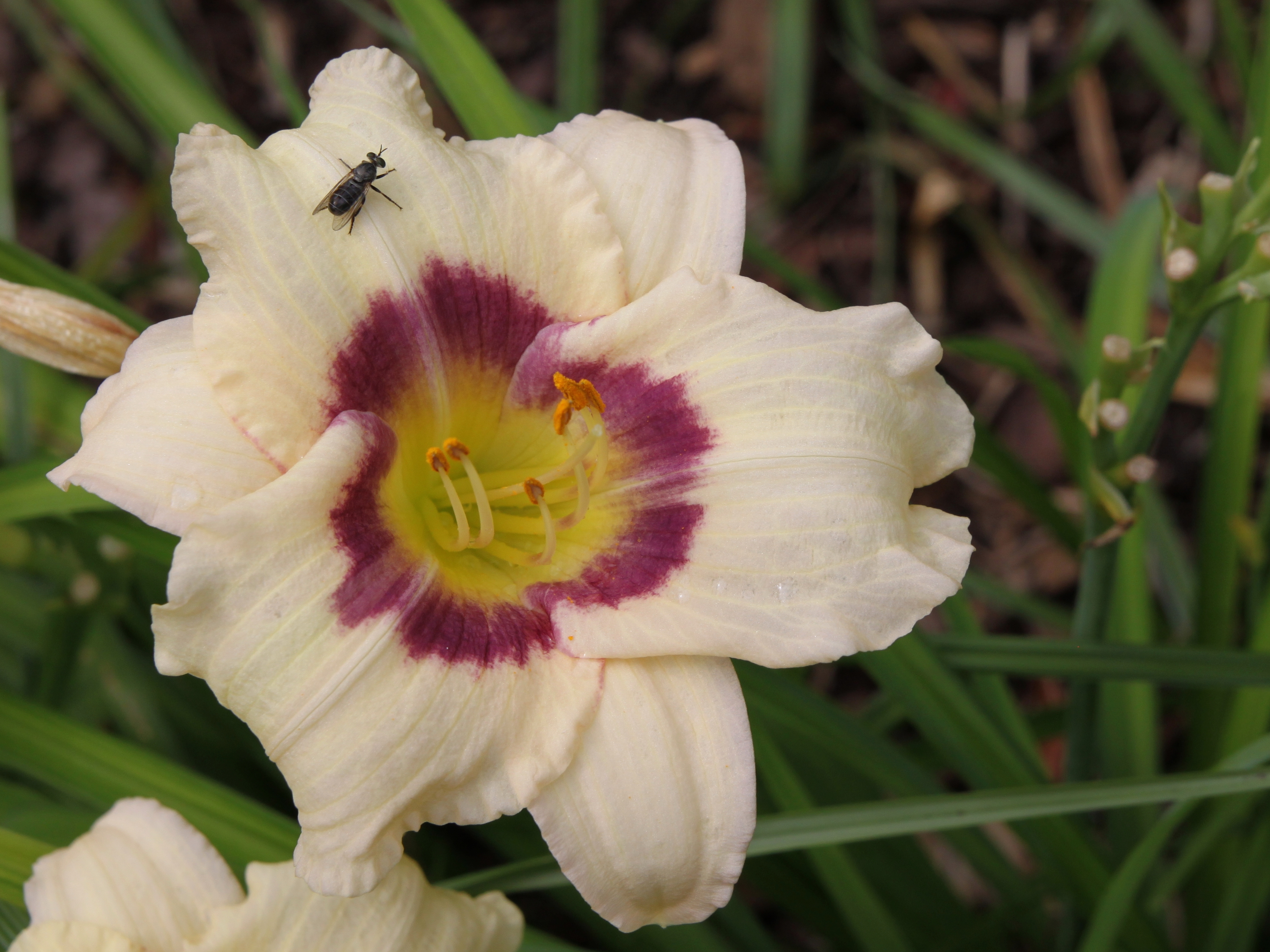
Fly on White & Purple Day Lily

Lantana – Texas native and is still blooming prolifically

Butterfly vine flower – Don’t know correct name – but the butterflies love the leaves of the vine

Esperanza – another Texas native flower. It loves heat also and is radiant in all it’s glory today in the 104 degree heat


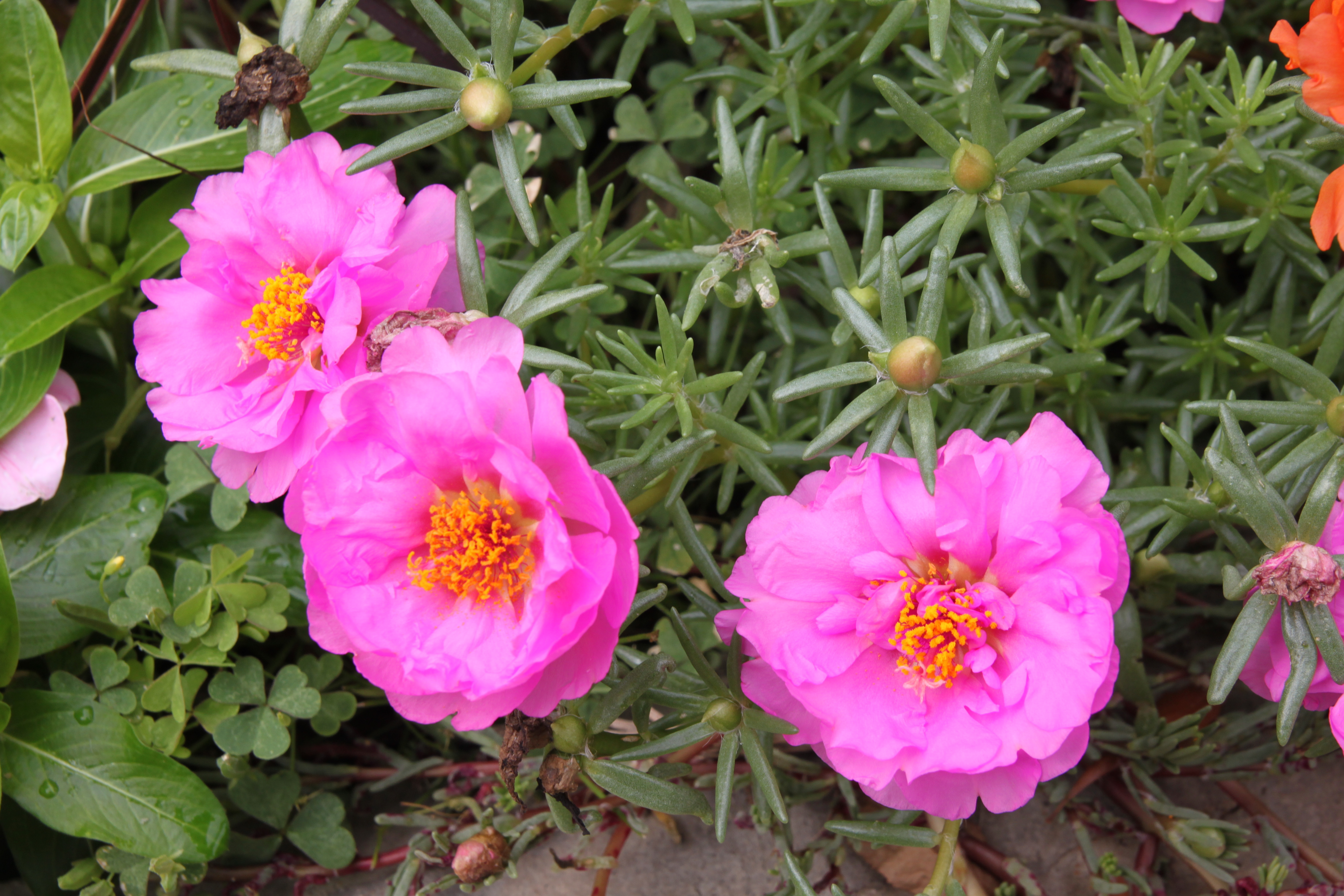
Moss Rose – this flower lies low to the ground but loves the Sun. This is the last of July and it still is healthy.


Southern Colorado Mountain Scene

July 14, 2012

Pencil Sketch of Southern Colorado mountain side for a change of pace from the normal photos I usually post.


I took this photo Summer 2008 and messed around with it using Paint.Net.  I really like the trees but the sky and the clouds are still too bright.  I suppose I will have to get into layers to dull down the sky without doing likewise to the trees.


Steve Jobs by Walter Isaacson

June 30, 2012

Steve Jobs by Walter isaacson is a Must read for 60 some year old computer nerds like me.

People who are crazy enough to think they can change the World are the ones who do – Apple commercial 1997.  Steve was one of those crazy people.

I lived the Apple II, Apple III, Lisa, MacIntosh,… progression while working as a software engineer.  The first computer I ever used was an IBM 1601.  It’s perfieral devices were a card reader/punch and a printer.  To execute a program I had to write the program on a coding pad, then key punch it into a card deck, then run the card deck through the computer, then the computer would punch out a binary program on a card deck, then I fed the binary program card deck in and my program executed.  Naturally, I was blown away by micro computers small enough to sit on your desk with a CRT and a keyboard that you could use to just enter the program.  Then came Viscalc, the predecessor to Excel, and the the PC market exploded.  The Apple II was everyone’s favorite because the competition was the IBM PC and IBM was a huge computer company (David versus Goliath).

As far as we were concerned the Apple II and later the Mac were revolutionary at the time.  The others were junk.

Then Apple fired Steve.  We could not believe it.  First Woz fades away and then Steve gets fired.  Well, as it turns out that was probably one of the best things that could have happened to Steve.

He started NeXT, and the NeXT computer was ahead of it’s time.  Ross Perot invested a chunk in NeXT.  I did not know that before reading the book.  NeXT was ahead of its time in some ways but it was not a business success. They did do some really cool software however which helped Apple rebound after Apple bought NeXT.

Steve also bought Pixar from George Lucas.  Another long story but Pixar ended up hooking up with Disney and  cranked out successful after successful animated movies with unbelievable imagery starting with my favorite, Toy Story.

Meanwhile the plot thickens.  Apple buys NeXT shortly after Toy Story is release and Steve winds up back at Apple as an unpaid adviser.

And, after Steve returns, Apple turns out one new and wildly product after another – the iMac, the iPod family, the iPhone, the iPad, iTunes, iCloud, the Mac Air, Apple Stores, etc.  By 2010 Apple had rebounded from almost out of business to bigger then their arch rival Microsoft.

Meanwhile Steve’s health deteriorates and he has several bouts with cancer.  Of course the big C finally wins and he “passed” in October 5 ,2011.

The author also explores in depth his early years, his family and friends, and his personality.  Speaking of his personality most of us would call him a jerk!  The book starts starts before Steve was born giving a brief introduction into his parents and his adopted parents early lives.  Then it covers Steve’s early life.  His life really begins to get interesting when he meets and becomes friends with Woz and they tinker with electronics.  The rest of his business life is history.  However the book covers his aborted attempt at Reed College, the apple orchard, the pilgrimage to India, his daughter out of wedlock and his refusal to admit the daughter was his for years, the girl friends, his marriage, and settling down, having kids, living in a PaloAlto regular neighborhood.

His quirks are also covered including his reality distortion capability, his strange eating habits like living on nothing but carrots for a few weeks, and his belief that he did not smell and subsequently did not have to wash because of his diet.

All in all a great book. The epitaph on his grave could truly be “He was busy being born”


The Quest review

May 27, 2012

A long long time ago in what seemed like another World Daniel Yergin wrote a Pulitzer Prize winning book “The Prize.”   The book is as Wikipedia called it the definitive book on the history of Oil.  I devoured the book shortly after its publication in 1990 and recommend it highly.  When Daniel published “The Quest”  subtitled “Energy, Security, and the Remaking of the Modern World” I knew immediately it would be the next book I read.

Now, having read “The Quest” my summary is although it is a good book it is no “The Prize.”   “the Quest” did a good job of calming my fears we would run out of oil next year and the World would degenerate into anarchy.  We have enough reserves to last much longer than I thought.  However, petroleum reserves are getting harder and harder to find and refine into the finished product.  “The Quest” is a good primer on alternative energy sources and the state of each (history, current state, and prognosis for the future):

  • Natural Gas
  • Solar cells
  • Wind
  • Bio-fuels
  • Nuclear
  • Efficiency including smart grids, energy saving appliances, hybrid vehicles, etc.

“The Quest” begins by catching the reader up on the history of oil since “The Prize” publication making “The Prize” a must read prologue to “The Quest.”  As with the prior book Daniel does a superb job of documenting  the trials and tribulations of Oil since 1990 when his first book was published.

Next he covers the current state of oil and gas as well as the amount and type of reserves remaining.  As I mentioned earlier they are quite extensive but becoming harder and harder to find and refine into the final product.

Next he presents a brief history of electricity, at least humankind’s involvement in electricity.

Then, because you can’t separate energy from the carbon in our atmosphere problem anymore we are doused with a history of the Climate and Carbon.  Hard to believe, but looking back as late as the 1950s the smart money rested with a new ice age!  My how time has changed our perspective.

Finally we reach the listing of the “new” energy alternatives and Daniel’s prediction for the future.

Summary: I really enjoyed the book through the Climate and Carbon section.  Maybe because through this section the book narrates history and I am a history buff or maybe because Daniel’s predicting the future was not exciting.  No big break through, no turning water into energy, no water into wine either for that matter!   I should have realized this because the life cycle of energy source is very long due in great part to the infrastructure that has to be put into place.  Perhaps that is the big take away from this book:

“It will take decades and decades to change our primary source of energy – petroleum.  We better get started because petroleum is getting harder and harder to find.


The New Coffeehouse Investor Book Review

April 18, 2012

The New Coffeehouse Investor by Bill Schultheis

This is the book for investors that don’t want to or can’t spare a lot of time and effort investing. The New Coffeehouse Investor’s theme is a simple threefold approach:

  1. Don’t put all your eggs in one basket (asset allocation)
  2. There are no free lunches (approximate the stock market average)
  3. Save for a rainy day (save)

Let’s tackle the three basic principles one at a time starting with asset allocation.  The basic premise is to divide your savings into 3 buckets (cash, stocks, and bonds) thereby lowering your risk  Over a long period stocks have historically done better so start with a larger percentage in stocks.  Bonds on the other hand are less volatile and they don’t usually move in the same direction. In practive the two tend to counter balance each other.  Therefore when you are young should should place a larger percentage in stocks when you can afford the additional risk.   As you grow older you should increase your bond  percentage because you are depending on a steady, predictable income from your retirement nest egg.  For someone my age (65) the author recommends:

  • Conservative investor
    • Cash 10%
    • Bonds 70%
    • Stocks 20%
  • Aggressive investor
    • Cash 10%
    • Bonds 30%
    • Stocks 60%

The second rule is to approximate the stock market average.  The premise here is that most of us are not going to be able to pick stocks and make money.  The “efficient market” theory states something similar to “The market has already taken into account breaking information before you even know about it.” Therefore, unless you spend more time than you have studying the market the market is smarter than you and any advantage you discover it has already been taken into account.  Therefore we should invest in stock market index funds that cover the entire stock market or a large sector of the stock market.  Instead of just picking one fund the author recommends allocating to the following types if you are lucky enough to have a robust 401K with lots of choices:

  • large-company,
  • large-company value,
  • small-company,
  • small-company value,
  • international, and
  • REITS.

An aggressive portfolio might be large company 40%, small company 25%, and International 35%.

Of course unless you save money you have no money to invest. That is why “save” is the third principle the author covers in this book.  For you young people start saving early in your life so you can reap the magic of compounding.  For people my age it is too late now for that kind of magic.

The last major section of the book covers living a long time after you retire and not running out of money by keeping your burn rate low.

One liners of other themes in the book:

♥ Eliminate the risks you can control and reduce the risks you can’t.

♥ There are two types of investment risk: Inflation and Marker Volatility.

♥ Past performance is not a good indicator of how a stock or mutual fund will perform in the future. Don’t pick funds based on past history because more often than not they will return to the norm and under perform after you buy into them.

♥ The less you pay in expenses and taxes, the better off you are.

♥ Most of us don’t need a financial adviser.  Most of the time they do no better than you can.  How hard is it to pick an index fund anyway.  Many of them are more interested in the commission they receive for selling you the stocks, funds, or whatever.  After all they want to retire too! (Okay, so this is not a one liner)

Summary: The bottom line to this book is for 99% of us the best thing we can do is go pick s0me Vanguard (they typically have very low expense ratios), save as much as you can, and check/re-balance your asset allocation at least once a year.  And, almost forgot, after you retire keep your burn rate no higher than 4%.

Credits:

Schultheis, Bill (2009-04-02). The New Coffeehouse Investor: How to Build Wealth, Ignore Wall Street, and Get on with Your Life (Kindle Location 1061). Penguin Group. Kindle Edition.


Foundation Book Review

April 4, 2012

Just finished reading Foundation by Isaac Asimov and published long ago in 1951. Harry Truman was President then and computers less powerful than my iPhone took up a whole building. Although I love Science Fiction I never read anything by him before on purpose.  For some reason I always thought I would not like his books.  I can’t tell you why – maybe it was because he wrote so many books, maybe it was his name, maybe it was because he wrote a commentary on the bible?

I realize now I have been missing out. Foundation is a great work of Science Fiction and I am now hooked on reading the whole series.

The basic plot is a statistician (psychohistory in the book) Hari Seldon determines the galactic empire will disintegrate is a few years.  With the help of the empire he sets up a couple of outposts at the edge of the empire to shorten the “dark ages” after the galactic empire’s disintegration.  The remainder of Foundation tells the story of the first 3 crisis along the road to the 2nd empire.

Salvor Hardin (first mayor of Terminus, one of the outposts) is the hero of the 1st two. Hober Mallow, a trader, is the hero of the third.

After each crisis Hari reappears in a special vault in a form we know as a hologram, a term coined well after the book.

I don’t want to reveal anymore of the Saga.  You need to read the book yourself.  Happy reading!